Il Longines Global Champions Tour si è confermato uno degli eventi più attesi della capitale. La tappa romana, presente nel programma della Formula 1 dell’equitazione sin dal 2015, è tornata dopo un anno di stop forzato causa Covid e, questa volta, in una location inedita: il Circo Massimo.
Le prime edizioni erano state infatti ospitate dallo stadio Pietro Mennea, complesso progettato dall’architetto fascista Enrico del Debbio e inaugurato nel 1932 con il nome di Stadio dei Marmi, la struttura venne intitolata solo nel 2013 alla freccia del sud. Sessanta i colossi in marmo di Carrara e quattro le statue bronzee, per un colpo d’occhio suggestivo sull’impianto sportivo, manifesto politico del regime. Lo stadio Pietro Mennea, nonostante fosse stato ideato per ospitare competizioni ginniche, nel corso degli anni si è trovato ad accogliere nella propria arena gli sport più disparati: dal calcio, all’hockey su prato, in occasione delle olimpiadi del 1960, fino all’equitazione. A tale proposito, il circuito di Jan Tops grazie al contributo di Eleonora di Giuseppe che si è battuta per far approdare il Global a Roma, è una delle manifestazioni più importanti dello sport equestre.
Diverso l’excursus del Circo Massimo, famosissimo non solo per il ratto delle Sabine, ma anche perché storicamente legato al mondo dei cavalli. Sembra che le origini di questo luogo risalgano al sesto secolo a.C. con Lucio Tarquinio Prisco, quinto re di Roma, tuttavia la progettazione vera e propria dello spazio avvenne in età repubblicana. Sin da subito il Circo Massimo si affermò come location indiscussa delle corse con i carri che si tenevano in occasione dei Ludi Romani. Dopo più di duemila anni, dunque, la storia si ripete anche se gli atleti del XXI secolo non hanno conquistato la vittoria compiendo sette giri intorno alla spina, ma confrontandosi con i tracciati del nostro amato chef de piste Uliano Vezzani.
Spostare l’evento nel cuore del centro storico di Roma ha contribuito, senza dubbio, ad attirare un pubblico di non addetti ai lavori più vasto, dai passanti ai turisti provenienti da ogni parte del mondo che, camminando in una calda giornata di settembre, si saranno soffermati ad osservare con piacere, e forse anche un pizzico di stupore, la maestosità e l’eleganza dei binomi in campo.
Il LGCT, tornando con ben due settimane nell’edizione 2021, probabilmente anche a seguito dell’assenza quest’anno delle tappe di New York e Città del Messico, ha svolto un ruolo non indifferente nella promozione del turismo romano a seguito del difficile periodo di pandemia. Si è espressa in merito anche la sindaca Raggi che ha tenuto a sottolineare come il Global, oltre a rappresentare uno show di eccellenza, sia un evento ecologico, ad impatto zero. Molto contenti inoltre i cavalieri stranieri, vista infatti la centralità del concorso, non hanno potuto far a meno di scendere da cavallo ed immergersi nella storia di Roma, immortalando anche qualche momento sui social.
Tuttavia, qualcuno rimane affezionato alla cornice originaria dello Stadio dei Marmi, forse giudicata più fotogenica e in grado, da qualsiasi angolazione si osservi l’evento, di mantenere l’identità del concorso legata all’immagine del noto monumento romano, consentendo anche una miglior visibilità sulle competizioni per chi non fosse riuscito ad aggiudicarsi un posto in tribuna.
E voi quale ambientazione del Global avete preferito? Fatecelo sapere nei commenti!
Teodorita Giovannella

Panoramica dell’impianto 
Pubblico 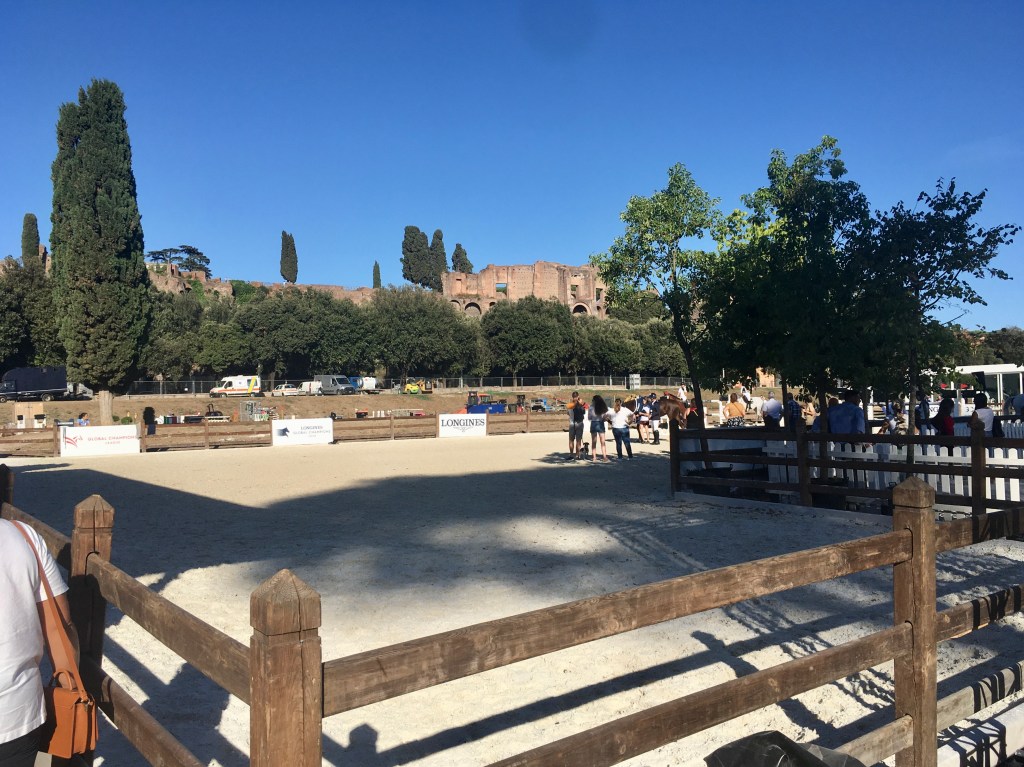
Campo prova 
Scorcio sui campi 
Scorcio sui campi 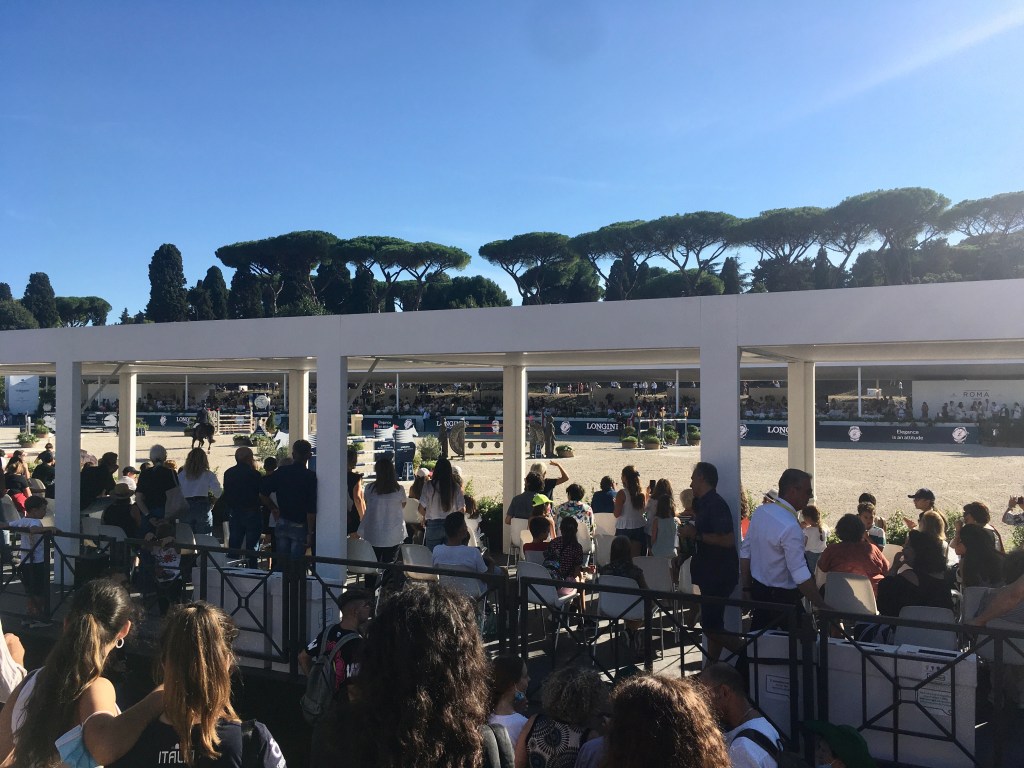
Tribuna 
Press lounge
Circus Maximus: from chariots to show jumping. LGCT is back!
The Longines Global Champions Tour proved to be one of the most anticipated events in the capital. The Roman stage, part of LGCT program since 2015, is back after a year of forced stop due to Covid-19 and, this time, in a new location: the Circus Maximus. The last editions were in fact hosted by the Pietro Mennea stadium, a complex designed by the fascist architect Enrico del Debbio and inaugurated in 1932 with the name of Stadio dei Marmi, the structure took on its current name only in 2013. Sixty giants in Carrara marble and four bronze statues give an evocative glimpse of the sports facility, political manifesto of the regime. The Pietro Mennea stadium, despite having been designed to host gymnastic competitions, over the years has found itself welcoming the most disparate sports in its arena: from football, to field hockey, during the 1960 Olympics, up to horse riding. In this regard, Jan Tops circuit, thanks to the contribution of Eleonora di Giuseppe, who fought to bring the Global to Rome, is considered one of the most important showjumping events. On the other hand, Circus Maximus has a different excursus, in fact it is very famous not only for the rape of the Sabine women, but also because it’s historically linked to the equestrian world. It seems that the origins of this place date back to the sixth century B.C. during the reign of Lucio Tarquinio Prisco, fifth king of Rome, however the real design of the space took place in the Republican age. Right from the start, the Circus Maximus established itself as the undisputed location of chariot races that were held on the occasion of the Ludi Romani. After more than two thousand years, therefore, history repeats itself. However, the athletes of the 21st century didn’t conquer the victory by completing seven laps around the spine, but by comparing themselves with the tracks of our beloved chef de piste Uliano Vezzani.
Moving the event to the heart of the historic center of Rome has undoubtedly contributed to attracting a wider audience of non-experts: from passers-by to tourists from all over the world who, walking on a hot September day, stopped to observe with pleasure, and perhaps even a hint of amazement, the majesty and elegance of the horses. The LGCT which came back with two weeks in the 2021 edition, probably following the absence this year of the stops in New York and Mexico City, has played a significant role in promoting Roman tourism after the difficult pandemic period. Mayor Raggi also commented on this and stressed that the Global, in addition to representing a show of excellence, is an ecological event with zero impact. Also foreign riders were very pleased. In fact, thanks to the centrality of the competition, they couldn’t help but get off their horses and visit Rome, immortalizing a few moments on social media.
However, some fans of LGCT remain fond of the original setting of the Stadio dei Marmi. This latter perhaps can be judged to be more photogenic and able to maintain the identity of the show always linked to the image of Pietro Mennea stadium, also allowing a better visibility on competitions for those who have not managed to win a seat in the stands. So which setting of the Global did you prefer? Let us know in the comments!
 DATTI ALL'IPPICA!