Impressioni degli azzurri dopo i mondiali di Aachen
Il quinto posto conquistato dalla squadra azzurra ai Mondiali di Aquisgrana vale il pass per Los Angeles 2028 e interrompe un’assenza lunga 24 anni: l’ultima partecipazione olimpica in team del salto ostacoli italiano risaliva infatti ad Atene 2004, con Juan Carlos Garcia Triana, Roberto Arioldi, Bruno e Vincenzo Chimirri.
Un risultato storico, centrato nel luogo che più di ogni altro rappresenta la tradizione mondiale di questo sport, Aachen, la «Mecca dell’equitazione». Ad aggiudicarsi il titolo a squadre è stata la Germania, davanti a Belgio e Gran Bretagna, mentre l’Italia ha chiuso al quinto posto. Un traguardo ottenuto grazie a Giulia Martinengo Marquet su Delta de l’Isle, Piergiorgio Bucci in sella a Hantano, Emanuele Camilli su Chacareno PS e Giacomo Casadei con Marbella du Chabli.
«Mi ero preso l’impegno di portare la squadra del salto ostacoli alle Olimpiadi di Los Angeles e dopo nove anni di governo della Federazione Italiana Sport Equestri questo proposito è stato mantenuto sia per me, che sono un grande tifoso, sia per tutto il movimento sportivo equestre», ha sottolineato il presidente della FISE Marco Di Paola. «Il team merita indubbiamente di partecipare alle Olimpiadi e questo crea un movimento positivo all’interno di tutto il mondo dell’equitazione».
Un risultato costruito nel tempo e che, insieme al tecnico Stefano Cesaretto, ha già trovato una cornice nel progetto “Road to LA 2028”. «Lo sport ha infatti bisogno di programmazione», ha commentato Di Paola. Il progetto prevede stanziamenti federali mai così importanti negli ultimi anni a sostegno dei binomi di interesse, la costruzione di un ecosistema sostenibile tra Federazione, proprietari dei cavalli e sponsor e il “Diario di Bordo”, strumento pensato per raccontare ai partner commerciali il percorso degli atleti e i risultati raggiunti.
A guidare il gruppo azzurro ad Aquisgrana è stato proprio Cesaretto che racconta una squadra arrivata all’appuntamento con grande consapevolezza: «Siamo partiti coscienti di cosa dovevamo fare e a cosa andavamo incontro».
«Quando un risultato si attende per tanto tempo ti si cuce un po’ addosso il fallimento. Riuscire a conquistare la qualifica subito, ai Mondiali, sembrava un sogno più grande di noi», ha affermato Giulia Martinengo Marquet. «Già facevo il conto: speriamo si qualifichino più nazioni del vecchio continente, così all’Europeo ne avremo poche da battere. E invece, con un quinto posto, ci siamo qualificati e non per il rotto della cuffia!».
Inevitabilmente c’è stato un po’ di rammarico per una medaglia sfiorata, ma soprattutto la certezza di aver costruito qualcosa di importante. «Ha vinto lo spirito di squadra. Cavalieri di altre nazioni ci hanno fatto i complimenti per quanto fossimo uniti. Lo stesso kiss and cry, in cui ci riprendevano in maniera abbastanza folkloristica da buoni italiani, faceva capire quanto guardassimo tutti nella stessa direzione», ha aggiunto Cesaretto.
Un campionato che si è rivelato estremamente arduo, sia per le caratteristiche del campo sia per l’ultima prova di squadra tenutasi nella sera del venerdì. Una difficoltà aggiuntiva che, secondo il tecnico, ha inciso pesantemente: «Quello di Aquisgrana è un campo storico con delle difficoltà notevoli che non tutti i cavalli riescono a superare. D’altra parte il fatto di aver disputato in notturna l’ultimo giro di Coppa è risultato penalizzante per tanti. Il cavallo di Camilli che aveva eseguito due percorsi netti, ha lasciato tutti stupiti dopo il rifiuto…»
Queste condizioni hanno sfavorito molte delle grandi squadre presenti, dall’America alla Danimarca e alla Svezia. Anche gli azzurri hanno dovuto fare i conti con tali variabili. Giulia Martinengo Marquet ha parlato di «due campionati» differenti: «Il fatto che la notturna fosse riservata ai cavalieri che facevano parte della squadra ha fatto sì che i binomi che partecipavano solo a titolo individuale si qualificassero per la finale più facilmente. C’è stata una discrepanza, anche se i podi finali a squadre e individuale hanno premiato i migliori». Giacomo Casadei ha confermato la criticità: «Il percorso del venerdì era più complesso, poi la prova notturna non ha aiutato, c’è stata sicuramente una difficoltà in più.»
Ma il vero elemento caratterizzante di Aquisgrana è stato il campo. Casadei lo descrive così: «Il campo migliore in cui io abbia mai saltato. Penso sicuramente che il parco ostacoli a disposizione e i tracciati disegnati dal direttore di campo [Frank Rothenberger, n.d.r.] non fossero semplici. I percorsi si aprivano, contrariamente alla consuetudine, sempre con un ostacolo molto complesso, non a caso tanti binomi hanno commesso errore al primo salto. Era incredibile il galoppo che prendevano i cavalli in quel campo, durante la ricognizione si contavano 8 tempi in una linea per poi effettuarne solo 7 con più calma. Parlando con Piergiorgio Bucci, che è un cavaliere esperto e ha già saltato ad Aquisgrana, dicevo “qui sono 8” e lui “no, 7” e aveva ragione».
A fare la differenza, oltre alla tecnica, è stata anche la qualità dei binomi. Casadei ha trovato nella sua Marbella una compagna ideale per affrontare una prova così impegnativa: «La mia cavalla per fortuna è molto brava, sfacciata, ti permette di entrare in quei campi con molta fiducia, non ha mai creato tensioni». E Cesaretto ha espresso parole speciali proprio per il giovane azzurro: «Davvero bravo Giacomo per l’età che ha e per il ruolo che in quel momento doveva sostenere, è stato incredibile, freddissimo». Tanto da aggiungere: «Non lo vedo come un ragazzo di 24 anni, ma un professionista navigato».
La qualifica olimpica, però, è arrivata al termine di una finale vissuta sul filo. «Ce la siamo dovuta sudare», racconta Cesaretto. «Durante l’ultimo giro della Coppa ho pensato: due squadre su dieci restano fuori. Perdere la qualifica per le Olimpiadi in un’occasione così avrebbe procurato molto rammarico, poi quando abbiamo visto che eravamo a rischio medaglia l’emozione è stata tanta».
Per Piergiorgio Bucci, Aquisgrana è stata la conferma della crescita di Hantano. «Tre anni fa non avrei pensato di arrivare qui con questo cavallo, ma poi ho cominciato a crederci. L’anno scorso è stato il migliore della Longines League of Nations, mentre nell’ultimo campionato d’Europa siamo rimasti fuori dalla finale per poco. Quindi quest’anno ero andato con la consapevolezza di ottenere un risultato davvero importante. Ci è voluto tempo per diventare il binomio che siamo oggi, ma Hantano è un cavallo costante nei risultati, fa tanti netti, è una sicurezza.»
Lo stesso Bucci, però, è stato protagonista anche di un esito infelice nella finale individuale. Un errore sull’ultimo ostacolo ha fatto sfumare una possibile medaglia d’argento, assicurandogli in ogni caso uno splendido quarto posto. «Io non sono uno che crede alla sfortuna, ma non saprei in che altro modo chiamarla», ha spiegato il cavaliere. «Ho visto e rivisto il video, ho affrontato il percorso come lo avevo programmato e come lo rifarei. Ce lo siamo detto anche con i miei colleghi: un cavallo come Hantano può saltare quell’ostacolo altre 100 volte senza sfiorarlo. È stato un caso, non so come spiegarmelo, un errore che penso non abbia mai commesso. Forse ha pensato che il percorso fosse finito, trovandosi l’ultimo salto di fronte all’uscita». Resta comunque la consapevolezza di aver affrontato uno dei campionati più complicati di sempre. «La finale individuale è stata la più difficile secondo me, soprattutto nell’ultimo giro», ha aggiunto Bucci. «In tutti i campionati a cui ho partecipato e che ho visto, è la prima volta che mi capita di confrontarmi con un ultimo giro, che di solito è di conferma, tecnico e lungo tanto quanto il primo».
Anche Giulia Martinengo Marquet ripensa alla finale individuale con un pizzico di rammarico, pur senza perdere di vista la grandezza del risultato conquistato ad Aachen: «Sono incredibilmente fiera del mio cavallo. Nella finale individuale potevo fare assolutamente meglio, probabilmente dopo la qualifica è scesa un po’ l’adrenalina. Ho montato uno dei cavalli migliori lì dentro e non mi sono sentita completamente alla sua altezza. Ora però voglio godermi il risultato, anche se faccio fatica, penso sempre a cosa si può migliorare».
Il risultato di Aachen consegna dunque all’Italia non soltanto il biglietto per Los Angeles, ma una base sulla quale costruire il prossimo biennio. Cesaretto guarda già all’Europeo del prossimo anno con maggiore tranquillità: «Avere una qualifica in tasca ci fa ragionare più serenamente in vista di un campionato europeo che sarà il prossimo anno».
L’obiettivo sarà proteggere i cavalli più esperti e, allo stesso tempo, individuare nuovi promettenti binomi: questo quanto sostiene il CT. E proprio l’Europeo potrà diventare un passaggio importante in questa prospettiva: «Possiamo giocare il Campionato Europeo non con l’ansia della qualifica, ma come un appuntamento di lavoro per costruire qualche binomio nuovo e permetterci eventuali scelte alternative l’anno delle Olimpiadi».
Ora, dopo le emozioni del Mondiale, per gli azzurri arriverà un meritato riposo prima di tornare in campo in vista delle fasi conclusive della stagione. La strada è ancora lunga e ricca di appuntamenti: dalla finale della Longines League of Nations di Barcellona alle tappe del Longines Global Champions Tour, passando per la finale della Longines EEF Series e per il Jumping Verona.
Teodorita Giovannella
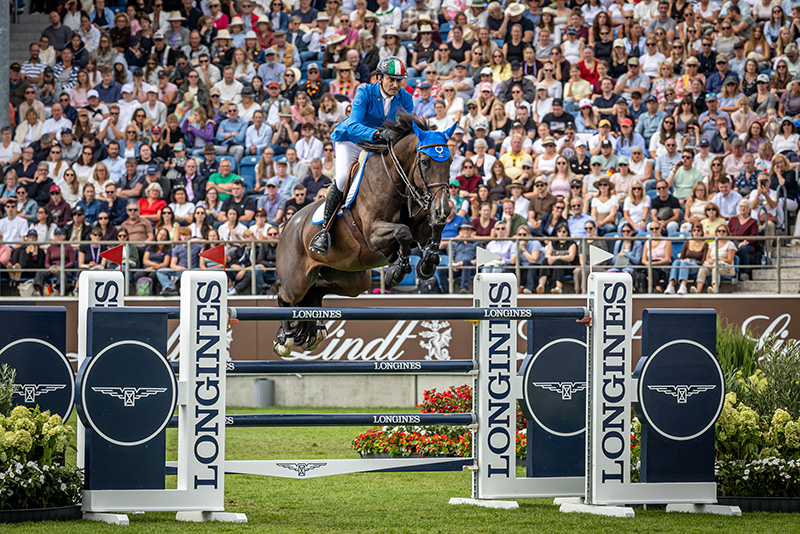
Show Jumping: after 24 years, Team Italy will return to the Olympics
The Italians’ impressions after the World Championships in Aachen
The Italian team’s fifth-place finish at the Aachen World Championships secured a ticket to Los Angeles 2028 and ended a 24-year absence: the last Italian show jumping team to compete at the Olympics was in Athens 2004, with Juan Carlos Garcia Triana, Roberto Arioldi, Bruno, and Vincenzo Chimirri. A historic result, achieved in the place that more than any other represents the sport’s global tradition: Aachen, the “Mecca of Equestrianism.” Germany won the team title, ahead of Belgium and Great Britain, while Italy finished fifth. This achievement was achieved thanks to Giulia Martinengo Marquet on Delta de l’Isle, Piergiorgio Bucci riding Hantano, Emanuele Camilli on Chacareno PS, and Giacomo Casadei with Marbella du Chabli. “I made a commitment to bring the show jumping team to the Los Angeles Olympics, and after nine years of leading the Italian Equestrian Sports Federation, this promise has been kept, both for me, as a huge fan, and for the entire equestrian movement,” emphasized FISE President Marco Di Paola. “The team undoubtedly deserves to participate in the Olympics, and this creates a positive movement within the entire equestrian world.” This achievement has been building over time and, together with coach Stefano Cesaretto, has already found a framework in the “Road to LA 2028” project. “Sport needs planning,” commented Di Paola. The project includes federal funding, more significant than ever in recent years, to support top-tier pairs, the creation of a sustainable ecosystem between the Federation, horse owners, and sponsors, and the “Diario di Bordo,” a tool designed to share the athletes’ journeys and achievements with commercial partners.
Cesaretto led the Italian team to Aachen, describing a team that approached the event with great confidence: “We started knowing what we had to do and what we were getting ourselves into.” “When you wait so long for a result, the failure feels a bit like a burden. Qualifying for the World Championships right away seemed like a dream bigger than we could have dreamed,” said Giulia Martinengo Marquet. “I was already calculating: let’s hope more European nations qualify, so we’ll have few to beat at the European Championships. And yet, with a fifth-place finish, we qualified, and not by the skin of our teeth!” Inevitably, there was some disappointment for missing out on a medal, but above all, the certainty of having built something important. “Team spirit won out. Riders from other nations complimented us on how united we were. The same kiss-and-cry, in which they reprimanded us in a rather folksy manner, like good Italians, made it clear that we were all looking in the same direction,” Cesaretto added. A championship that proved extremely challenging, both due to the characteristics of the course and the final team test held on Friday evening. This additional difficulty, according to the coach, had a significant impact: “The Aachen course is a historic one with significant difficulties that not all horses can overcome. On the other hand, the fact that the final round of the World Cup was held at night was detrimental for many. Camilli’s horse, who had run two clear rounds, left everyone stunned after his refusal…”
These conditions disadvantaged many of the major teams present, from America to Denmark and Sweden. Even the Italians had to contend with these variables. Giulia Martinengo Marquet spoke of “two different championships”: “The fact that the night race was reserved for team riders meant that the pairs competing only individually qualified for the final more easily. There was a discrepancy, even though the final team and individual podiums rewarded the best.” Giacomo Casadei confirmed the criticality: “The Friday course was more complex, and then the night race didn’t help; it was definitely an added challenge.”
But the real defining feature of Aachen was the course. Casadei described it thus: “The best course I’ve ever jumped on. I certainly think the obstacle course available and the courses designed by the course director [Frank Rothenberger, editor’s note] weren’t easy. The courses always opened, unusually, with a very complex obstacle; it’s no coincidence that so many pairs made mistakes on the first jump. The gallop the horses took in that field was incredible; during the reconnaissance, we counted eight times in a line, only to then complete only seven more calmly. Speaking to Piergiorgio Bucci, who is an experienced rider and has already jumped at Aachen, I would say, “There are eight here,” and he would say, “No, seven,” and he was right.
Besides technique, the quality of the pairings also made the difference. Casadei found in his Marbella an ideal partner for such a demanding test: “Luckily, my mare is very good, bold, and allows you to enter those arenas with great confidence; she never caused tension.” And Cesaretto had special words for the young Italian: “Giacomo was truly excellent for his age and the role he had to play at that moment. He was incredible, incredibly cool.” He added: “I don’t see him as a 24-year-old, but as a seasoned professional.”
The Olympic qualification, however, came at the end of a final that was lived on the edge. “We had to work hard for it,” Cesaretto said. “During the final lap of the Cup, I thought: two out of ten teams are out. Missing out on Olympic qualification on an occasion like this would have been very disappointing, but when we saw we were in danger of winning a medal, we were so moved.”
For Piergiorgio Bucci, Aachen was confirmation of Hantano’s growth. “Three years ago, I wouldn’t have thought I’d get here with this horse, but then I started to believe in it. Last year, he was the best in the Longines League of Nations, while in the last European Championships, we narrowly missed out on the final. So this year, I went in confident that I’d achieve a truly important result. It took time to become the pair we are today, but Hantano is a consistent horse, he scores many clear finishes, and he’s a sure thing.”
Bucci himself, however, also suffered an unfortunate outcome in the individual final. A mistake on the final fence meant he missed a potential silver medal, but he still secured a splendid fourth place. “I’m not one to believe in bad luck, but I don’t know what else to call it,” the rider explained. “I watched the video over and over again, and I approached the course as I had planned and as I would do it again. My colleagues and I also said it: a horse like Hantano can jump that obstacle 100 times without touching it. It was a coincidence, I don’t know how to explain it, a mistake I don’t think he ever made. Maybe he thought the course was over, finding the last jump right in front of the exit.” However, the awareness of having faced one of the most complicated championships ever remains. “The individual final was the most difficult in my opinion, especially the last lap,” added Bucci. “In all the championships I’ve participated in and watched, it’s the first time I’ve had to face a last lap, which is usually confirmation, technical, and just as long as the first.”
Giulia Martinengo Marquet also looks back on the individual final with a hint of regret, though she doesn’t lose sight of the magnitude of her achievement in Aachen: “I’m incredibly proud of my horse. I could have done much better in the individual final, but my adrenaline probably waned a bit after the qualification. I rode one of the best horses there and didn’t feel completely up to it. Now, however, I want to enjoy the result, even if I’m struggling; I’m always thinking about what can be improved.”
The result in Aachen therefore not only gives Italy a ticket to Los Angeles, but also a foundation on which to build the next two years. Cesaretto is already looking ahead to next year’s European Championships with greater confidence: “Having qualified gives us more peace of mind ahead of the European Championships next year.”
The goal will be to protect the most experienced horses and, at the same time, identify promising new pairs: this is what the coach maintains. And the European Championships could be an important step towards this goal: “We can approach the European Championships not with the anxiety of qualification, but as a working opportunity to develop some new pairings and allow ourselves to make potential alternative choices come Olympic year.”
Now, after the excitement of the World Championships, the Italians will have a well-deserved rest before returning to the field for the final stages of the season. The road is still long and full of events: from the Longines League of Nations final in Barcelona to the stages of the Longines Global Champions Tour, via the Longines EEF Series final and Jumping Verona.

